


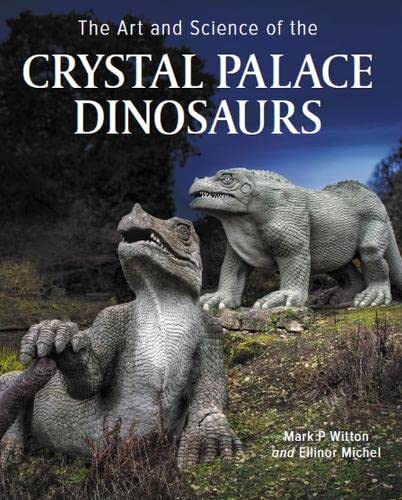
In the not too distant past, the colouration of dinosaurs was a complete mystery, which did have its good points: you could paint them whatever colour you liked and not be wrong!
Most artists would look at modern animals and their habitat for inspiration and assume, not unreasonably, that dinosaurs were similarly coloured to match their surroundings: grey elephants on dusty plains, striped zebras camouflaged against the grassy Savana shadows, brightly coloured birds and males of the species with outrageous appendages and vibrant mate-attracting plumes. However, that all changed with Anchiornis huxleyi, the first dinosaur to be fully colour de-coded.
Under high-intensity microscopes, scientists discovered that its fossilized feathers preserved melanosomes — pigment-bearing cells that dictate color — and if their system is accurate, Anchiornis resembled a Woodpecker with bits of Magpie and Spangled Hamburg Chicken, all topped off with a rather fetching ginger mohawk hairdo.
Strictly speaking, Sinosauropteryx was the first dinosaur to reveal its colours, but only in its tail, which, funnily enough, is missing in the scanned specimen of Anchiornis. At this point, colour-giving cells were only known in fossil feathers, so if your fave dinosaur wasn't feathered you were free to continue with artistic licence. But palaeontologists applied the same scanning technology to finely preserved diplodocid sauropod skin from Montana’s Mother’s Day Quarry in 2025, and discovered pigment-bearing cells within scales too.

Most artists would look at modern animals and their habitat for inspiration and assume, not unreasonably, that dinosaurs were similarly coloured to match their surroundings: grey elephants on dusty plains, striped zebras camouflaged against the grassy Savana shadows, brightly coloured birds and males of the species with outrageous appendages and vibrant mate-attracting plumes. However, that all changed with Anchiornis huxleyi, the first dinosaur to be fully colour de-coded.
Under high-intensity microscopes, scientists discovered that its fossilized feathers preserved melanosomes — pigment-bearing cells that dictate color — and if their system is accurate, Anchiornis resembled a Woodpecker with bits of Magpie and Spangled Hamburg Chicken, all topped off with a rather fetching ginger mohawk hairdo.
Strictly speaking, Sinosauropteryx was the first dinosaur to reveal its colours, but only in its tail, which, funnily enough, is missing in the scanned specimen of Anchiornis. At this point, colour-giving cells were only known in fossil feathers, so if your fave dinosaur wasn't feathered you were free to continue with artistic licence. But palaeontologists applied the same scanning technology to finely preserved diplodocid sauropod skin from Montana’s Mother’s Day Quarry in 2025, and discovered pigment-bearing cells within scales too.
References
• Li Q, Gao K-Q, Vinther J, Shawkey MD, Clarke JA, D'Alba L, Meng Q, Briggs DEG, et al. (2010) "Plumage color patterns of an extinct dinosaur".


Time stands still for no man, and research is ongoing. If you spot an error, or want to expand, edit or suggest an entry feel free to drop us a line. Go here to answer an FAQ.
© 2010-2026 Dinochecker unless stated | Rss feed | Kindly site donations here.
All dinos are GM free, and no herbivores were eaten during site construction! To cite this page:
Atkinson, L. "DinoChecker FAQ entry :: What colour were Dinosaurs?"
‹http://www.dinochecker.com/dinosaurfaqs/what-colour-were-dinosaurs›. Web access: 09th Sep 2026.
All dinos are GM free, and no herbivores were eaten during site construction! To cite this page:
Atkinson, L. "DinoChecker FAQ entry :: What colour were Dinosaurs?"
‹http://www.dinochecker.com/dinosaurfaqs/what-colour-were-dinosaurs›. Web access: 09th Sep 2026.
